





MESSAGE
If you have any questions, please contact us and we will contact you as soon as possible.
‹
›
‹
›
◉ Product Introduction
◉ Main Features
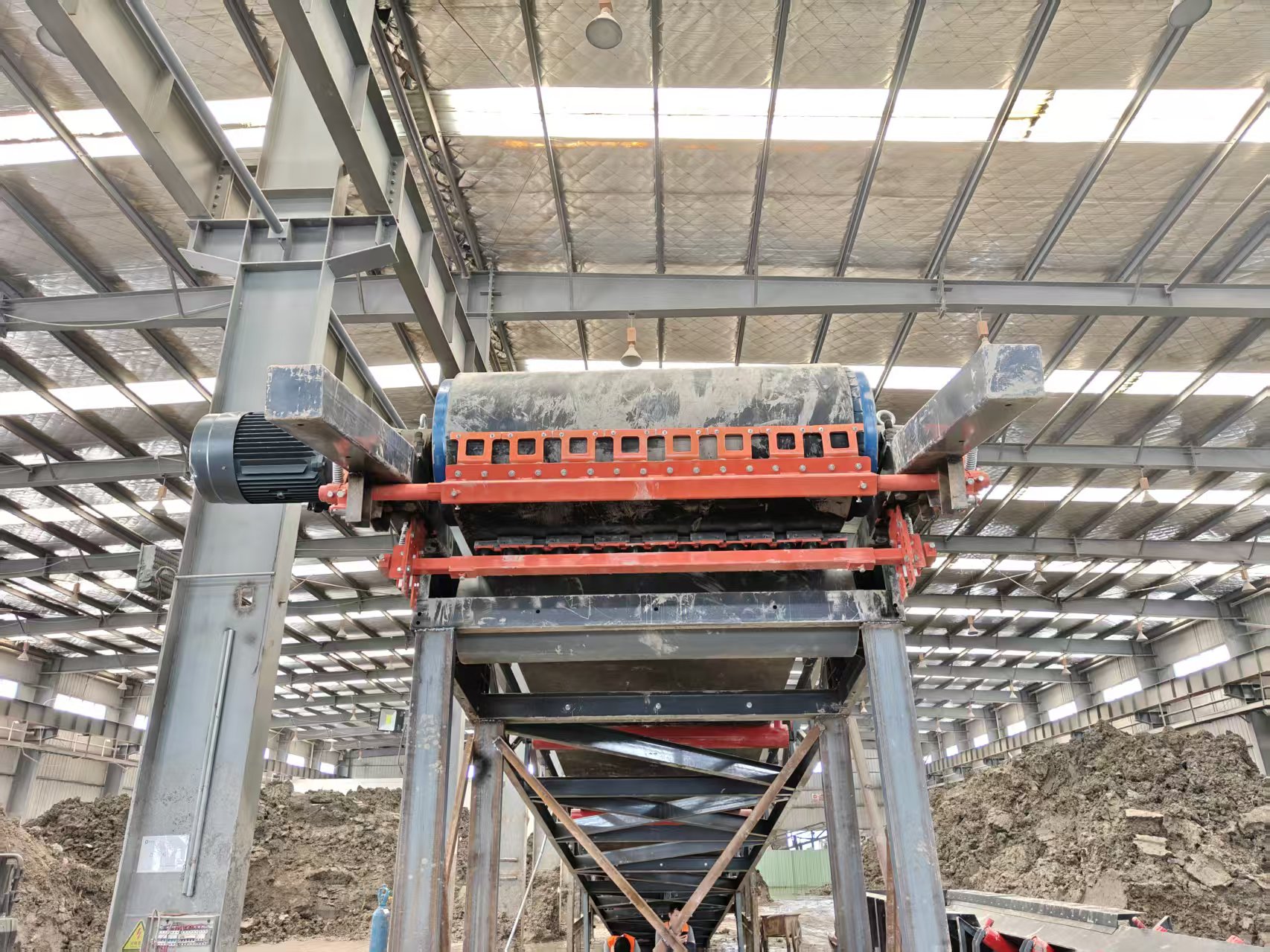
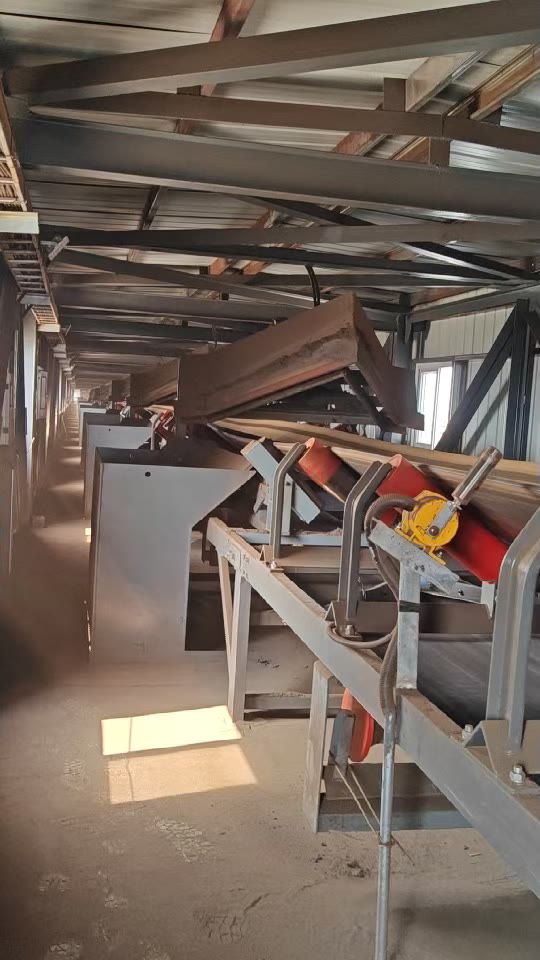
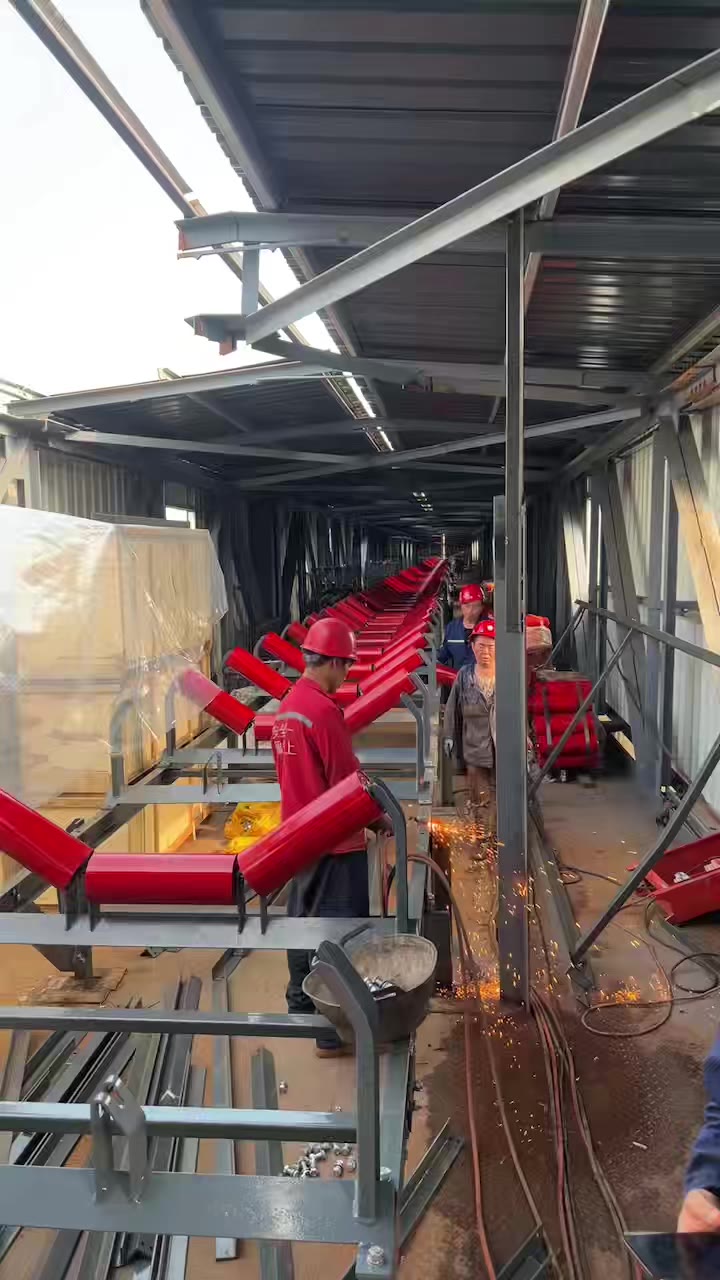
*Anti-stick Design:The rollers feature an anti-stick coating and are equipped with a multi-stage cleaning system (scraper plus brush) to effectively prevent mud adhesion on the belt and roller surfaces;
*Corrosion and Wear Resistance:The conveyor belt is made of wear- and corrosion-resistant material, and parts in contact with the material are treated for corrosion resistance to withstand the acidic or alkaline nature of the sludge;
*Ample Power Reserve: The drive system is oversized to overcome the high starting resistance associated with wet materials, ensuring no slippage during heavy-load startups;
*Enclosure Options: Fully enclosed housing and collection trays are available as options to prevent sludge dripping and odor leakage, ensuring compliance with environmental standards;
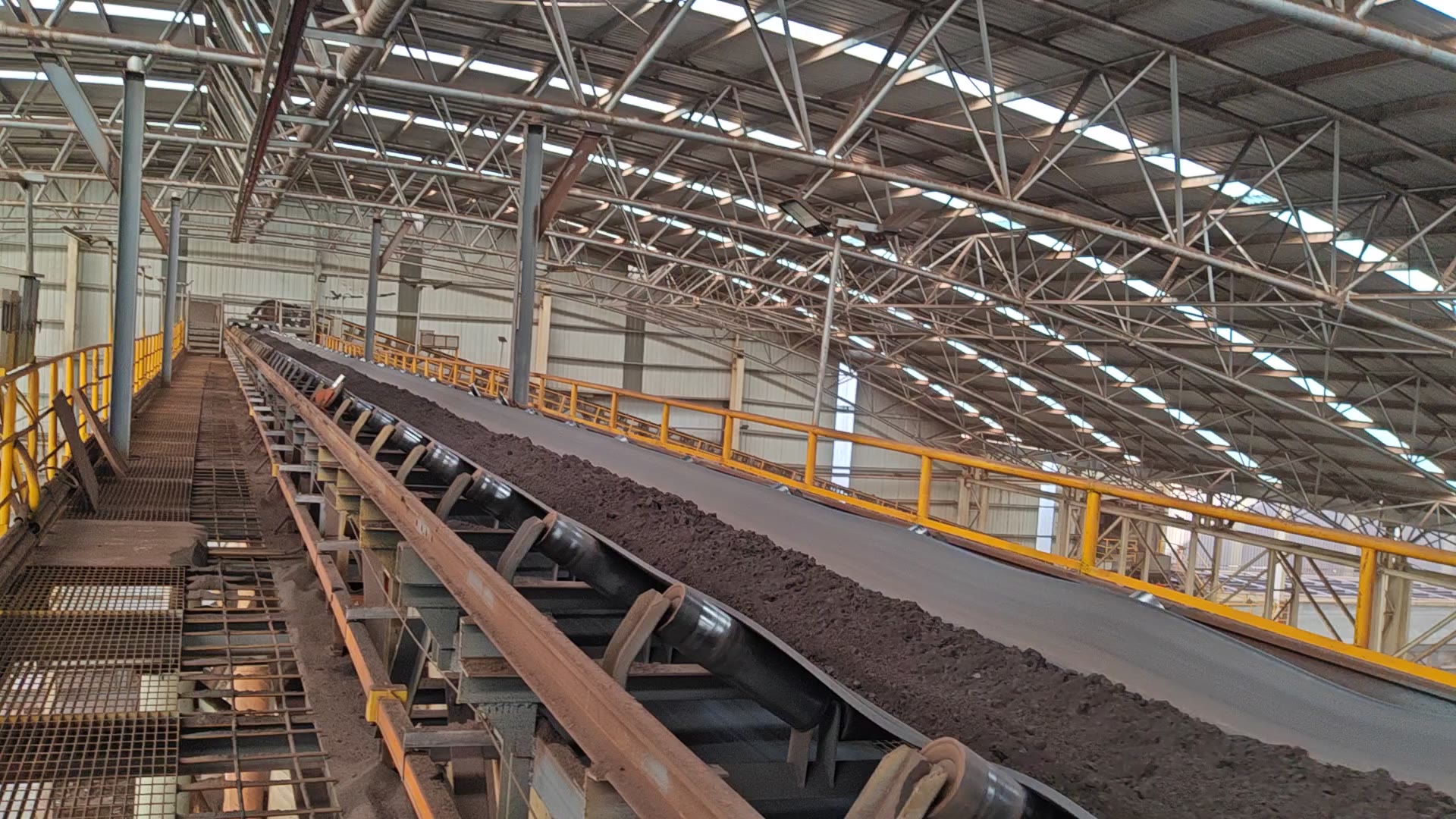
*Flexible Layout: Can be installed horizontally or at an incline, allowing for direct material intake from the discharge outlets of filter presses or centrifuges.
◉Specification parameters (common range)
◉ Applicable scenarios
It is widely used for the off-site transport of dewatered sludge from municipal wastewater treatment plants, the conveyance of dredged river silt, and the transfer of sludge from papermaking, chemical, and electroplating processes, as well as for the discharge and transport of filter cakes from filter presses and plate-and-frame presses; it is also suitable for transporting sediment-laden slurries, such as those from sand washing and shield tunneling operations.
◉ SIMILAR RECOMMENDED
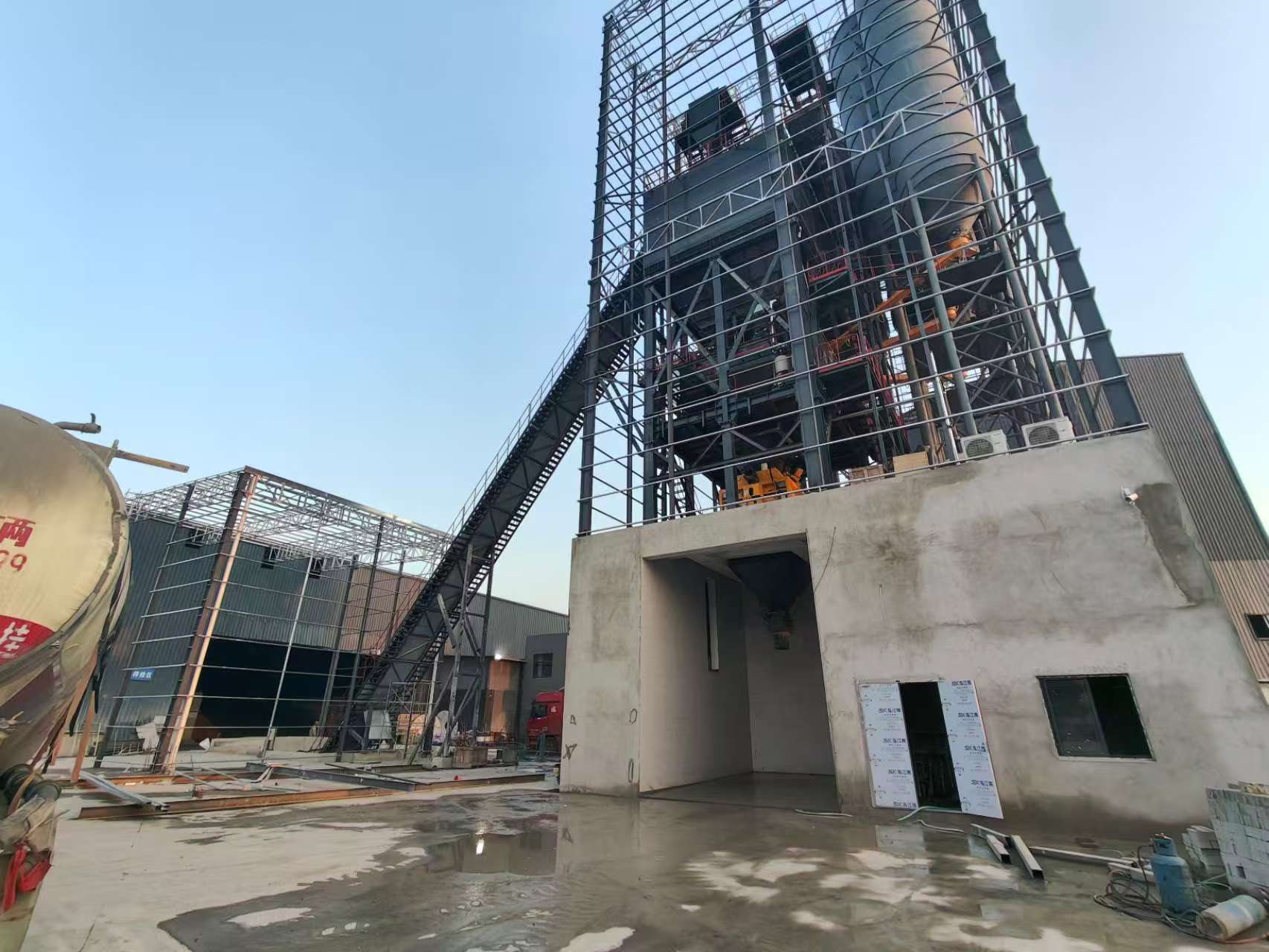
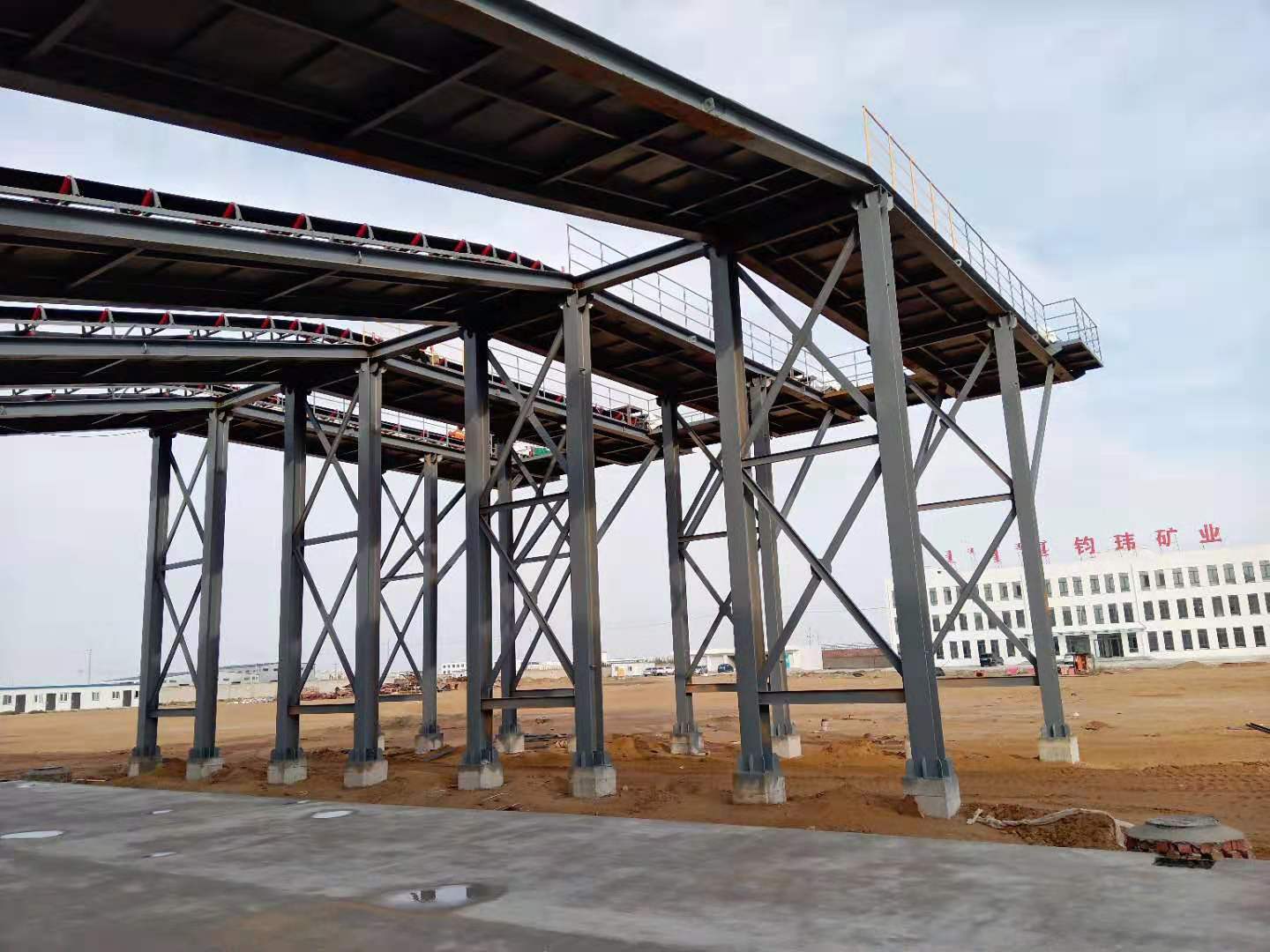
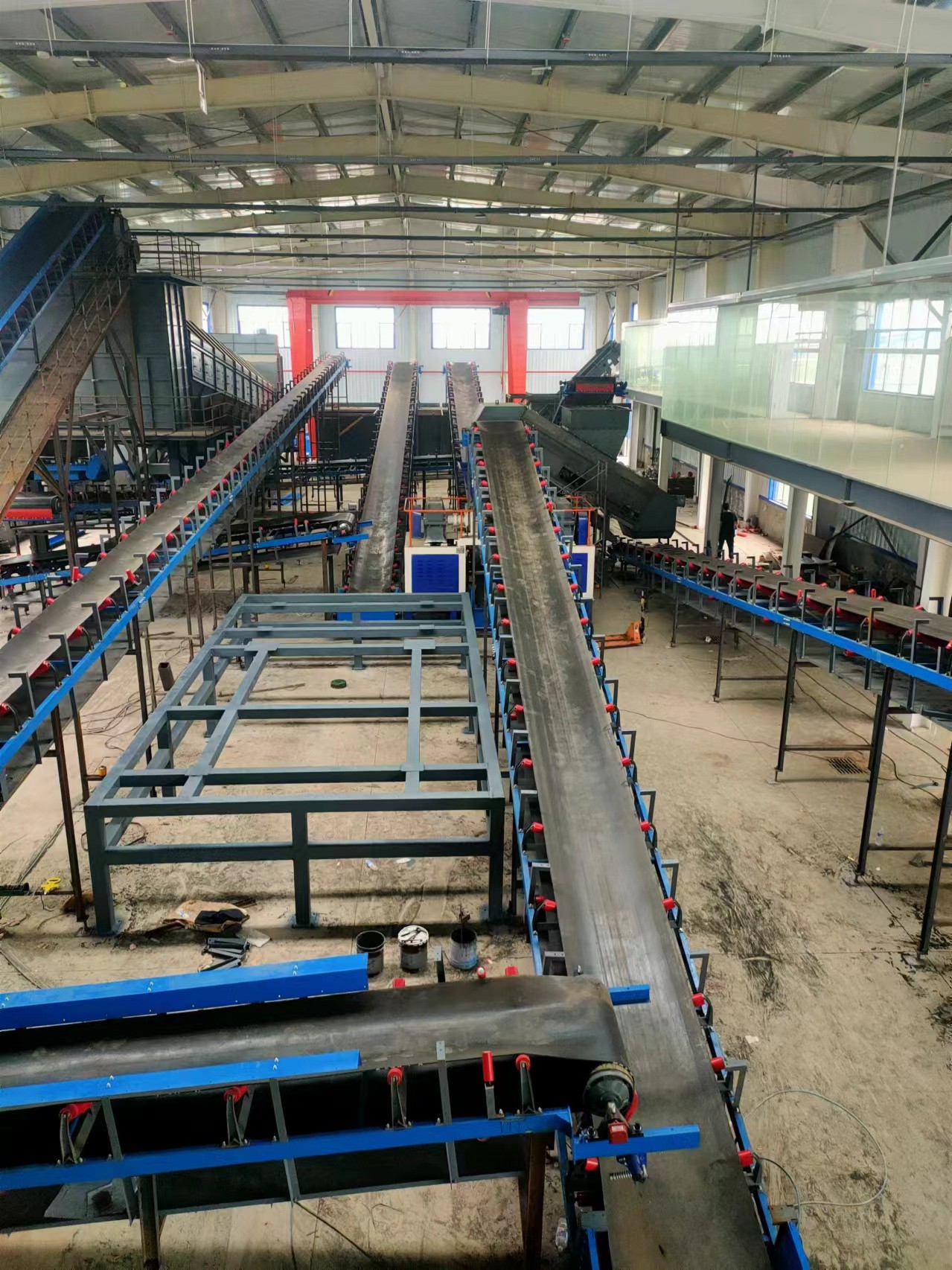
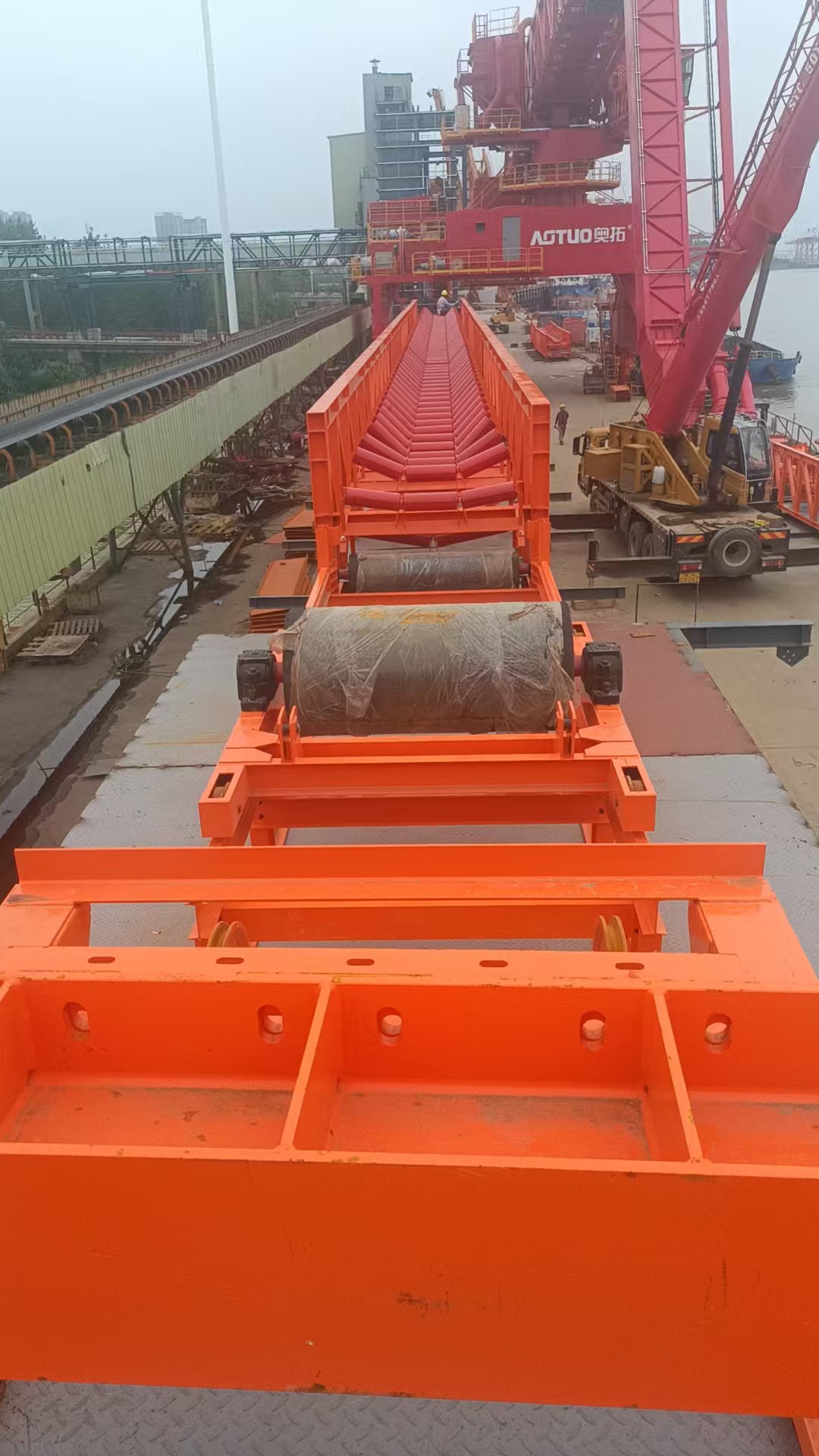
 Cool Coal Mine Project
 Shouguang Steel Plant Project
 Songting Steel Project
 Wenzhou Aggregate Project
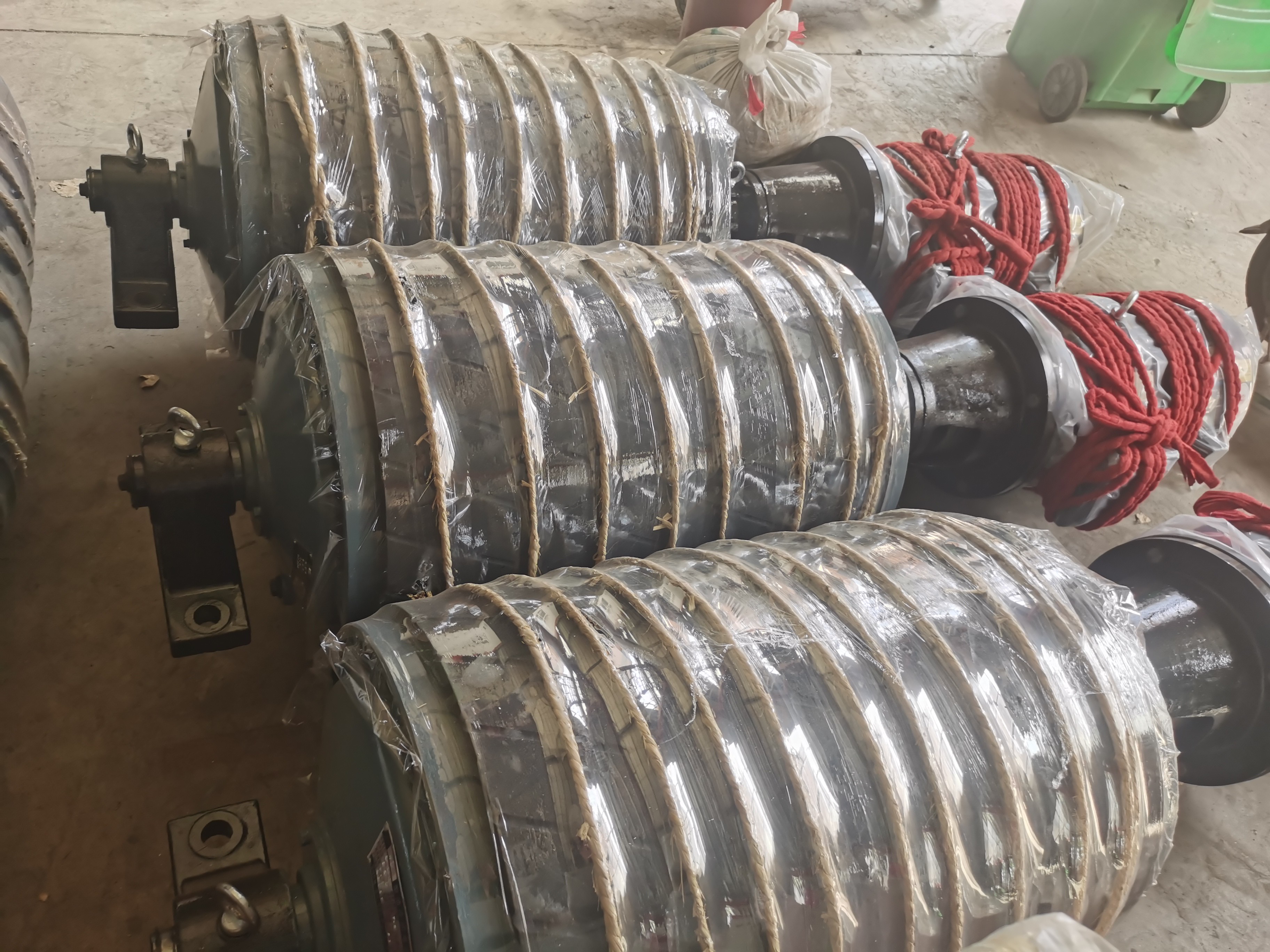
 Electric drum
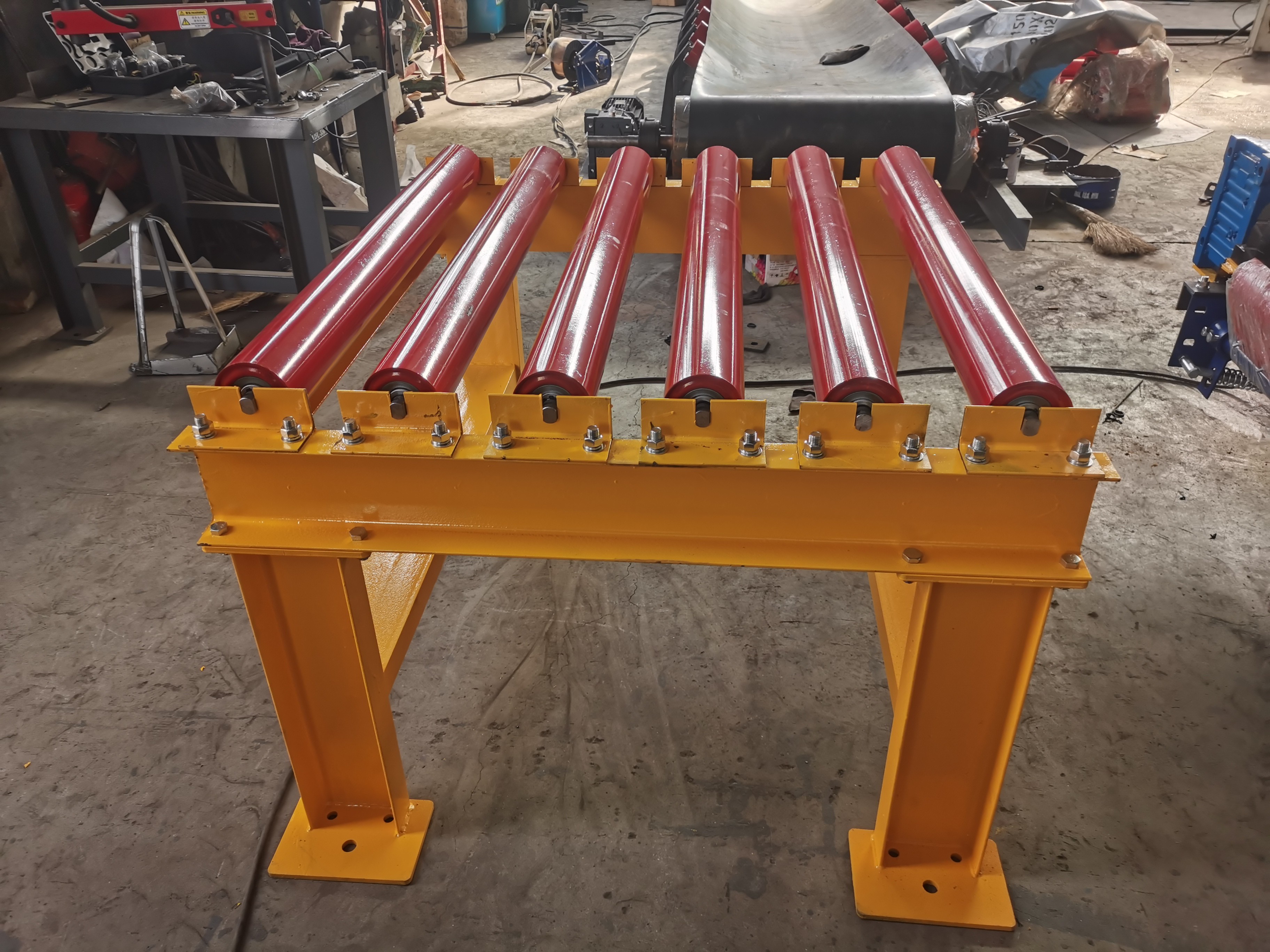
 Roller frame
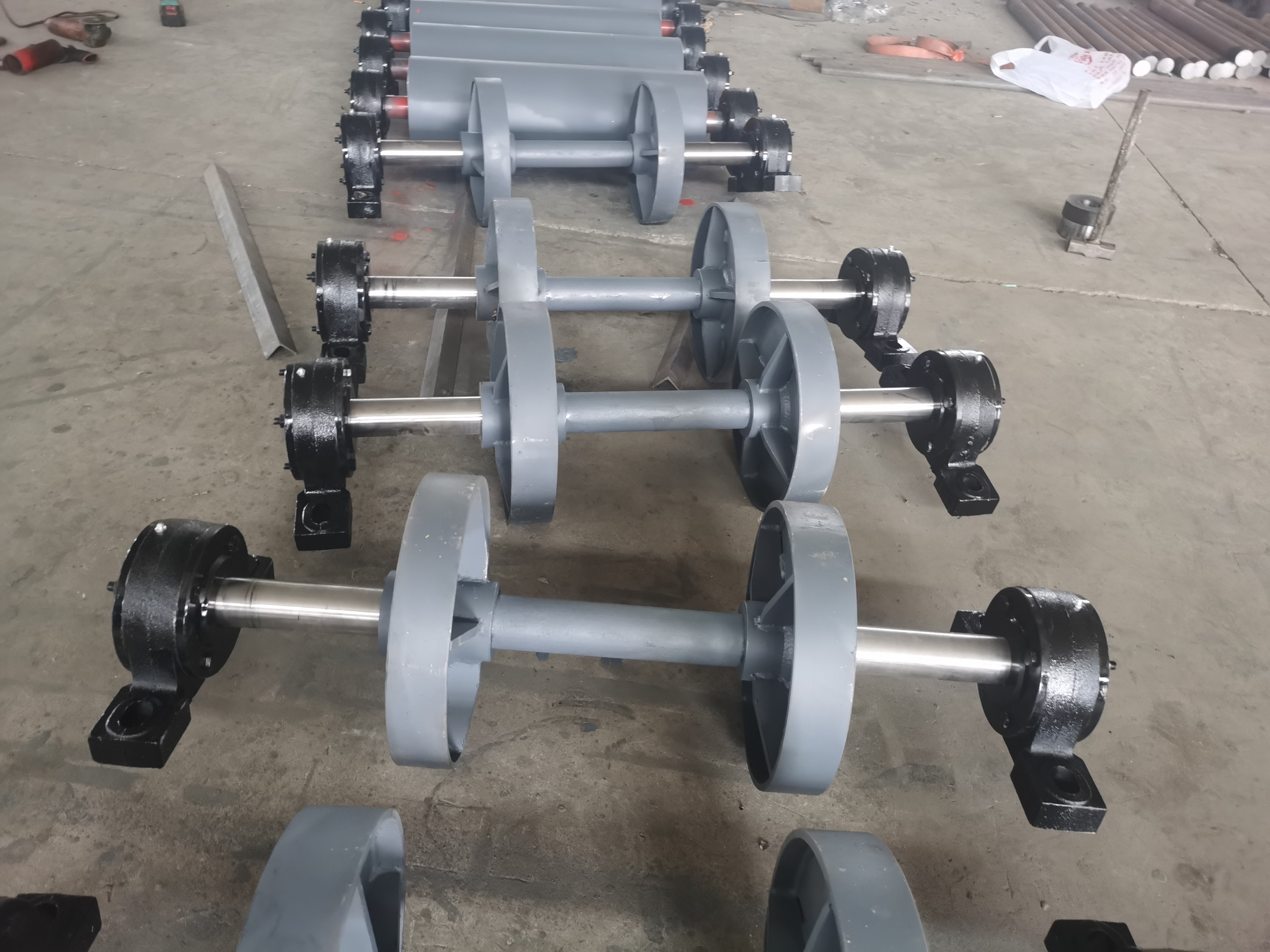
 Drum
Drum Drive frame
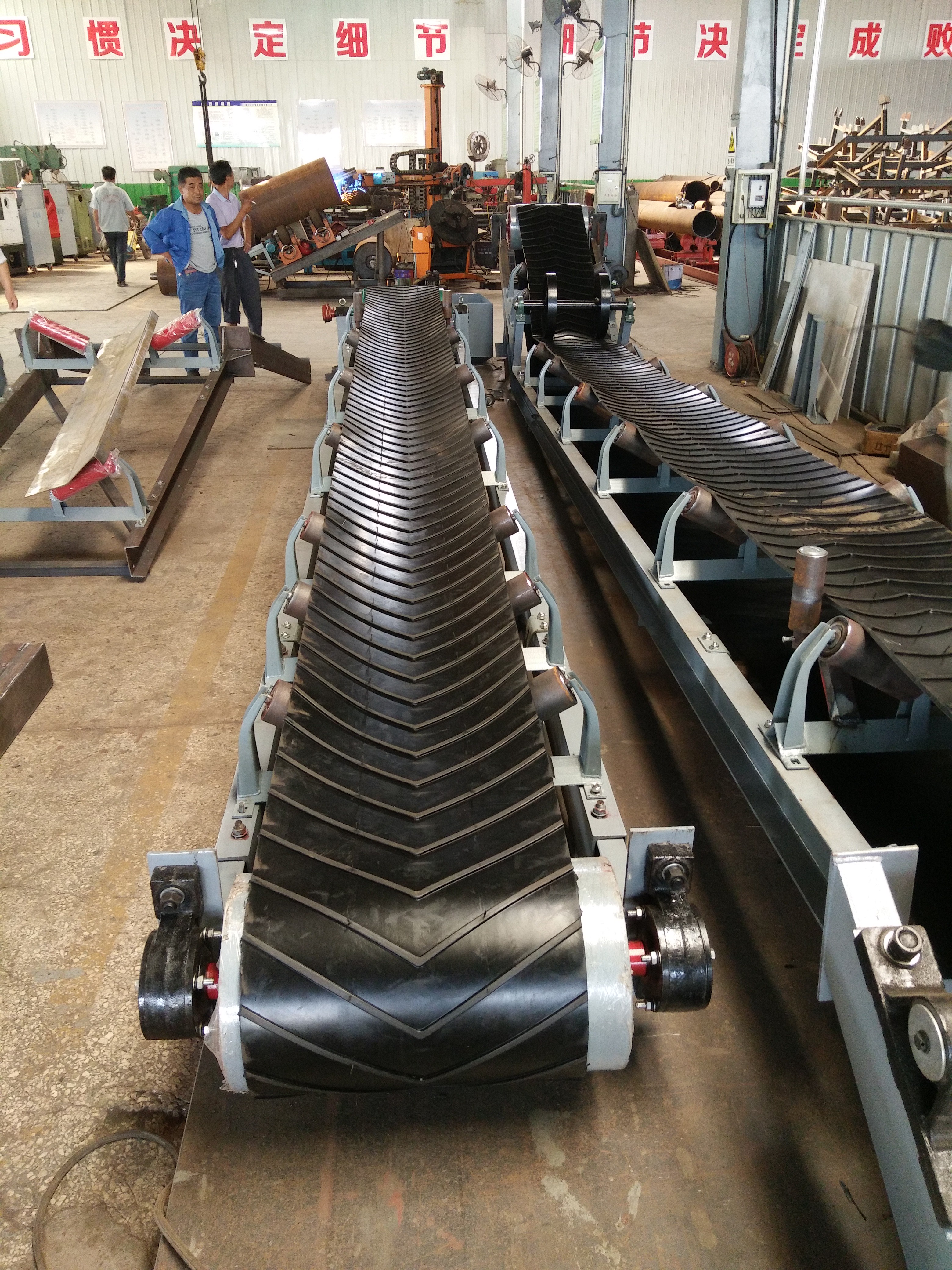
 Conveyor belt
 Supporting frame
![]() Mobile fabric cart
Mobile fabric cart![]() Discharge device
Discharge device![]() Steel plant power plant belt conveyor
Steel plant power plant belt conveyor The industry of straw and manure fermentation
 Iron ore project
 Ore conveyor
 Garbage sorting
 Offshore conveyor belt machine truss structure
 External conveyor belt
 Yongfeng Cement Project Site
 Sludge belt conveyor with viscosity

Thank you very much for writing to us. Please leave your message and contact information, we will reply to you within 24 hours.